Social media automation promises freedom.
Less time posting. More consistency. Better results.
Yet after years of observing how brands, creators, and small teams use social media tools, one thing is clear:
Automation alone doesn’t create growth.
In fact, when used without strategy, it often makes things worse.
Here’s what we’ve learned from watching social media automation succeed (and fail), again and again.
Lesson #1: Automation Amplifies What’s Already There
Automation doesn’t fix weak content, it amplifies it.
If a brand has no clear message, posts inconsistent ideas or lacks understanding of their audience, automation simply spreads that confusion faster.
On the other hand, when the foundations are strong, automation becomes a powerful multiplier.
What this means in practice
Before automating anything, brands that succeed usually have:
- Clear topics they talk about repeatedly
- A defined audience
- A rough idea of what “good content” looks like for them
Automation works best after clarity, not before.

Lesson #2: Consistency Matters More Than Frequency
Many brands think automation is about posting more.
"More posts. More platforms. More activity."
But the brands that grow sustainably focus on consistency, not volume.
Posting three times a week with a clear message beats posting every day without direction. Algorithms notice patterns, and audiences notice repetition.
What works better than “posting more”
Successful teams often pick a few key ideas, repeat them over weeks or months and say the same thing in slightly different ways.
Automation helps maintain rhythm, not overwhelm feeds.

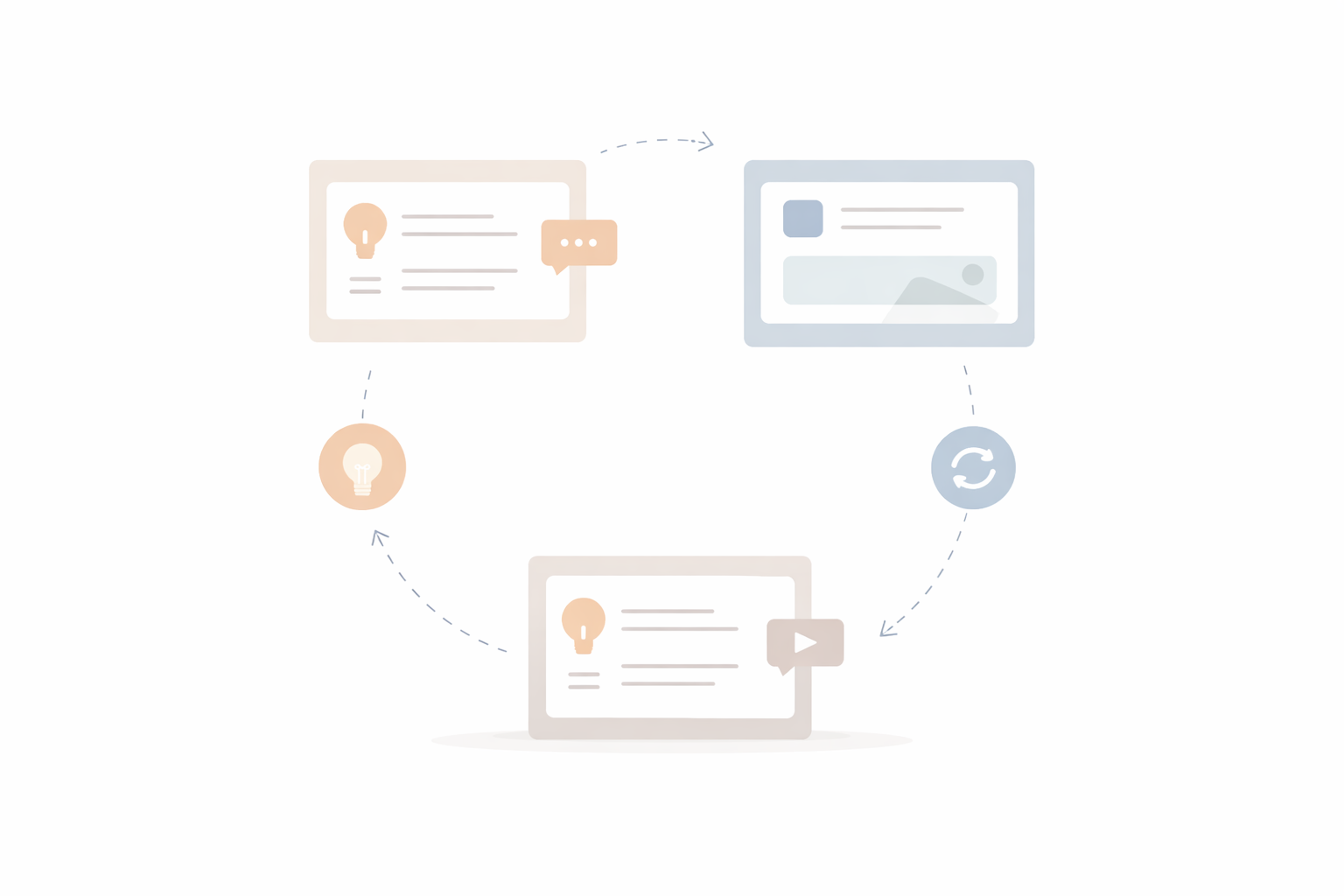
Lesson #3: The Best Content Is Reused, Not Recreated
One of the biggest surprises?
High-performing brands rarely create entirely new ideas every time they post.
Instead, they:
- Reuse blog posts
- Repurpose insights
- Rephrase strong messages
Automation makes reuse easy, but only if reuse is intentional. When content disappears after one post, brands lose momentum.
A smarter approach
Instead of asking:
“What should we post today?”
They ask:
- What already worked?
- What’s still relevant?
- How can we say this again, differently?
Automation then becomes a system for resurfacing value, not generating noise.
Lesson #4: Tools Don’t Replace Thinking ; They Reduce Friction
The biggest misconception about social media automation is that it replaces effort.
It doesn’t.
What it does replace:
- Daily decision-making
- Manual posting
- Repetitive work
The thinking still needs to happen... just less often. Brands that succeed use automation to protect focus, not avoid strategy.
The Common Thread Behind Successful Automation
After watching countless workflows, one pattern stands out:
Automation works best when it supports a clear content system.
Not when it replaces one.
That system usually includes defined themes, reusable content and a realistic posting rhythm.
When those are in place, automation feels calm, predictable, and sustainable.
A Better Question to Ask About Automation
Instead of:
“Which tool should we use?”
The more useful question is:
- What ideas do we want to reinforce over time?
- How often can we show up consistently?
- What can we reuse instead of recreate?
Answer those first, and automation finally does what it promises!